
The Local Social Media Playbook for Busy Owners
Build a sustainable local social media strategy with practical channel, content, and scheduling guidance for busy business owners.
Start With the Right Channels and a Realistic Rhythm

Social media strategy does not begin with being everywhere. It begins with choosing the channels your local customers already use and your business can maintain. Restaurants and salons may benefit from Instagram’s visual format, while retailers can combine Instagram with Facebook and TikTok. A home service business may gain more from Facebook, Google Business Profile, and messaging than from producing daily short-form video. Focus first on one or two channels where your audience is active and your content naturally fits.
Next, set a publishing rhythm that matches your actual capacity. Three useful posts per week can outperform seven rushed posts followed by a month of silence. A sustainable plan might include one educational post, one customer-focused or promotional post, and one behind-the-scenes update. Use a monthly content calendar to plan ahead, batch similar tasks, and avoid making daily decisions. Consistency builds familiarity, but it should support your operations rather than compete with them. The best local marketing system is one your team can maintain during both busy seasons and ordinary weeks.
Build a Reusable Content Mix That Serves Customers
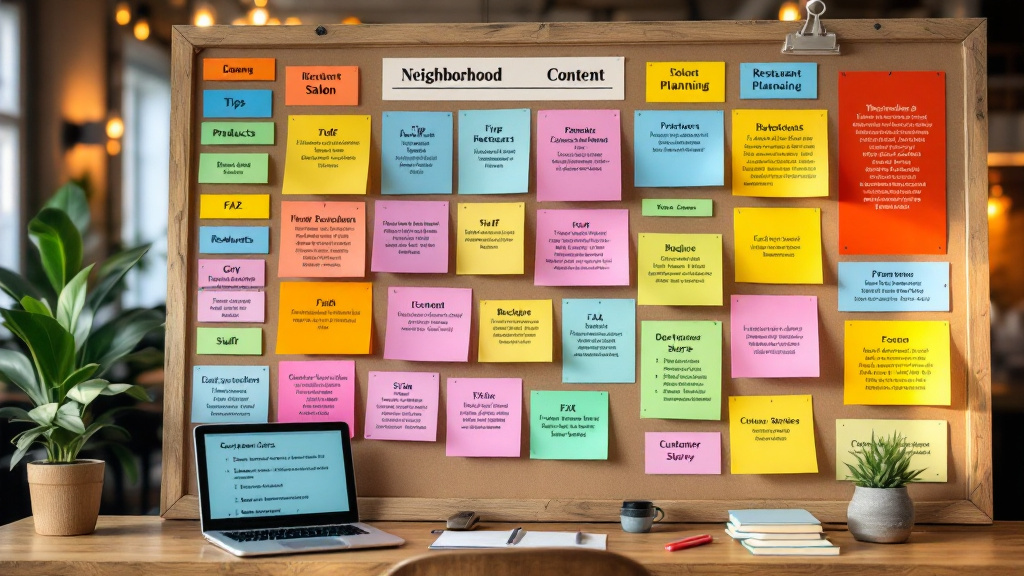
A strong content planning system relies on repeatable themes rather than constant originality. Create a small library of content pillars that reflect what customers want to know and feel. A restaurant might rotate menu highlights, preparation stories, staff introductions, customer moments, and weekly specials. A salon can feature service education, stylist expertise, before-and-after results, maintenance tips, and appointment availability. Retailers and gyms can adapt the same structure to products, demonstrations, member wins, and seasonal needs.
Each theme can be reshaped for different channels instead of copied word for word. Turn a short tip into an Instagram caption, a Facebook explanation, a TikTok script, or a Google Business Profile update. Save frequently asked questions about pricing, hours, parking, services, and booking as future content ideas. Generative AI can help draft captions, image concepts, and reel scripts, but your business knowledge should guide the final message. Review every draft for accuracy, tone, and local relevance. Reusable content reduces the weekly workload while giving customers a clearer, more dependable view of what makes your business worth visiting.
Choose Consistency Over Volume and Measure What Matters
More posts do not automatically create more customers. High-volume publishing can exhaust an owner, overwhelm followers, and reduce quality. A better approach is to prioritize useful, recognizable content and respond promptly when customers engage. Before publishing, confirm that each post has a purpose: answer a question, showcase an offering, build trust, encourage a visit, or support a timely promotion. Include a clear next step, such as booking, calling, visiting, messaging, or learning more.
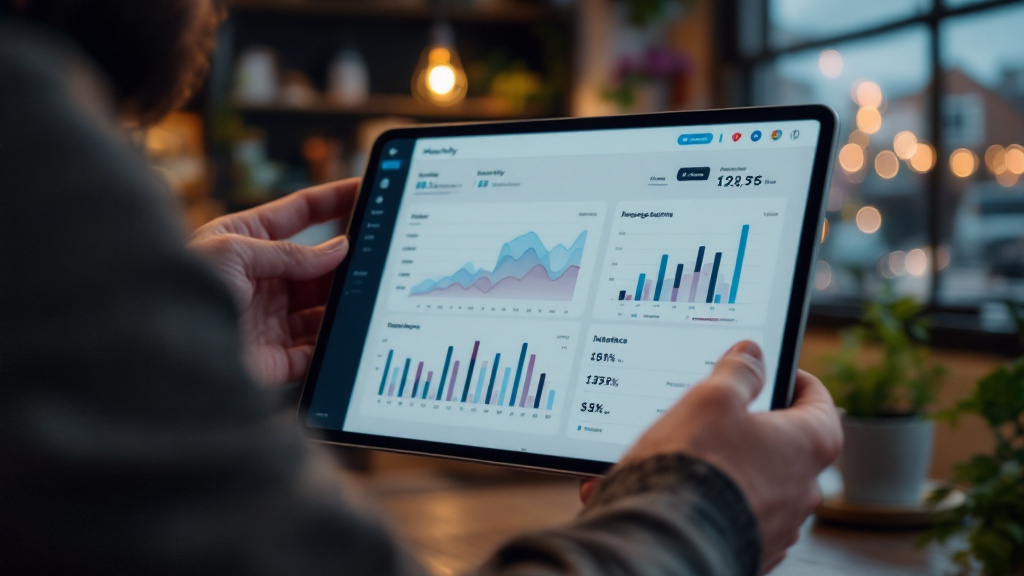
Use monthly reporting to understand which efforts deserve more attention. Track reach, saves, shares, comments, profile visits, inquiries, clicks, and promotions tied to actual visits or bookings. Treat these metrics as signals rather than a verdict on your business. A post with modest reach may generate a valuable appointment, while a popular trend may produce little commercial value. Scheduling tools and connected social accounts can keep approved content moving while automated replies handle routine questions and unusual requests reach the owner. With the right workflow, local marketing becomes a manageable business process—not another full-time job—and your social presence grows steadily with your customer relationships.